


Bur Dubai: Location, Things to Do, Attractions, Hotels and Travel Guide
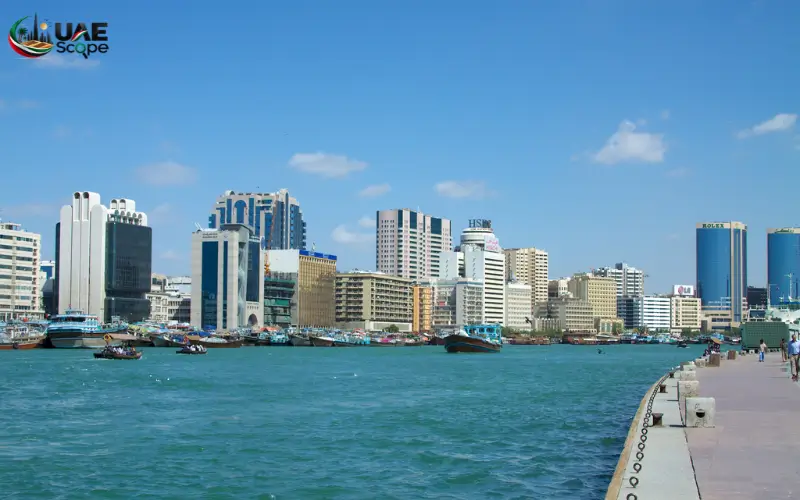
Bur Dubai is one of the oldest and most interesting areas of Dubai. The district sits beside Dubai Creek and brings together historic neighbourhoods, traditional markets, restaurants, hotels, shopping streets and modern public transport. It is also one of the main areas for exploring Old Dubai.
Visitors come to Bur Dubai to walk through the Al Fahidi Historical Neighbourhood, explore Meena Bazaar, shop at traditional souks, enjoy food from different cultures and cross Dubai Creek by abra. The area also has easy access to the Dubai Metro, buses, taxis and marine transport.
Bur Dubai Overview
Bur Dubai sits on the western side of Dubai Creek, opposite Deira. The area includes several well-known neighbourhoods and attractions, including Al Fahidi, Al Mankhool, Al Raffa, Al Hamriya, Al Ghubaiba and Meena Bazaar.
The district has a different feel from the newer parts of Dubai. Instead of large modern towers and wide entertainment districts, you will find older streets, traditional buildings, busy shops, small restaurants, heritage sites and Creek-side areas. Visit Dubai describes Bur Dubai as an area where traditional souks, dining and Dubai’s seafaring history come together.
| Information | Details |
| Location | Bur Dubai, Dubai, UAE |
| Emirate | Dubai |
| Main waterway | Dubai Creek |
| Historic area | Al Fahidi Historical Neighbourhood |
| Popular market | Meena Bazaar |
| Main transport | Metro, bus, taxi and abra |
| Nearby district | Deira |
| Main attractions | Al Fahidi, Dubai Creek, Al Seef and traditional souks |
Where Is Bur Dubai Located?
Bur Dubai is located along the western side of Dubai Creek in the older part of the city. Deira lies across the Creek, while Al Fahidi, Al Mankhool, Al Raffa and Al Ghubaiba sit within or around the wider Bur Dubai area.
The location gives visitors easy access to several historic parts of Dubai. You can move between Bur Dubai and Deira by Metro, road transport or traditional abra services across the Creek.
Why Is Bur Dubai Famous?
Bur Dubai is famous for its connection with Old Dubai and Dubai Creek. The area contains historic buildings, traditional markets, cultural attractions and streets that show a different side of the city from Downtown Dubai or Dubai Marina.
The Al Fahidi Historical Neighbourhood is one of its main attractions. Visitors can walk through narrow lanes, see traditional architecture and visit cultural spaces. Meena Bazaar adds a busy shopping atmosphere, while Dubai Creek provides opportunities for abra rides and waterfront walks.
History of Bur Dubai
Bur Dubai developed around Dubai Creek, which played an important role in the city’s early trade and transport. The Creek connected communities on both sides of the water and supported fishing, pearl diving, trading and movement of goods.
Today, parts of the area preserve that older character. Traditional buildings, wind towers, souks and heritage sites help visitors understand how Dubai looked before the city developed into the modern business and tourism centre seen today.
You can see this heritage most clearly around Al Fahidi and the historic Creek districts. Visit Dubai’s current heritage information describes Al Fahidi as an area where visitors can explore Dubai’s culture, heritage and architecture.
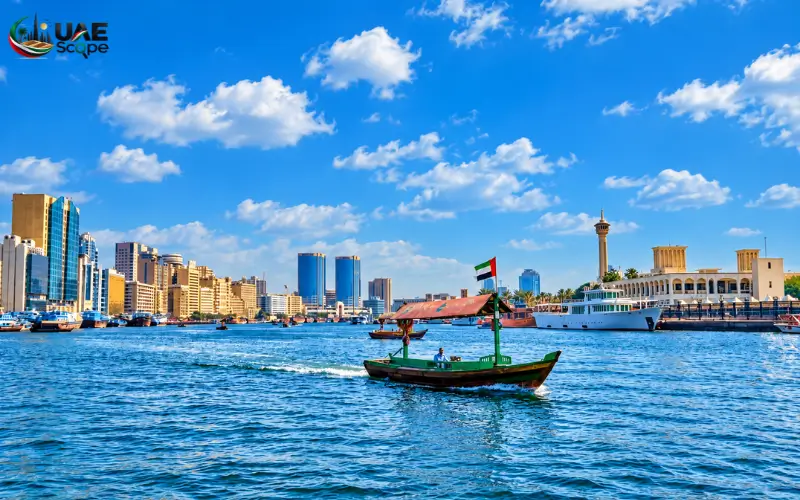
Best Places to Visit in Bur Dubai
Bur Dubai has several attractions within a relatively compact historic area. You can visit more than one place during the same walking trip, especially around Al Fahidi and Dubai Creek.
Al Fahidi Historical Neighbourhood
Al Fahidi Historical Neighbourhood is one of the main places to visit in Bur Dubai. Its narrow lanes, traditional buildings and wind towers give the area a strong connection to Dubai’s past.
The neighbourhood also has museums, galleries, cultural spaces, cafes and traditional courtyards. It works well for a walking visit because you can explore the streets instead of moving from one large attraction to another.
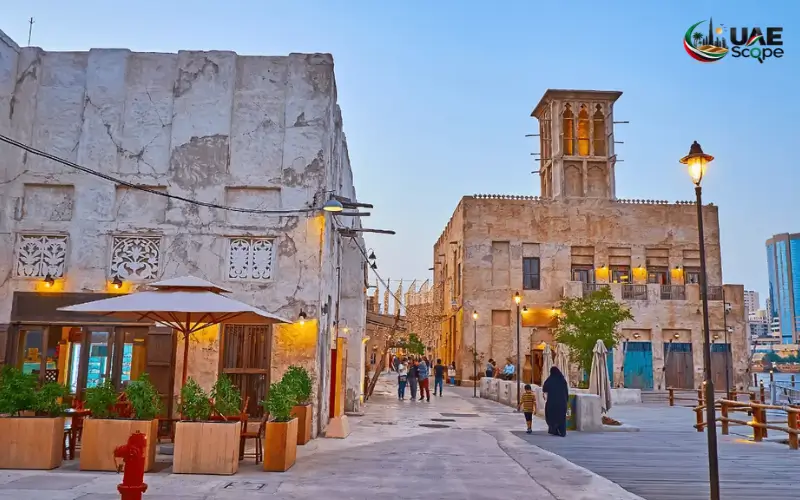
Dubai Creek
Dubai Creek is central to the Bur Dubai experience. You can watch traditional boats, walk near the waterfront or cross the Creek to Deira by abra.
The Creek also connects several historic areas, including Al Fahidi, Al Seef and Al Ghubaiba. The current Dubai Historical District map shows walking routes, Metro stations, marine transport points, parking areas and traditional abra routes around the historic Creek districts.
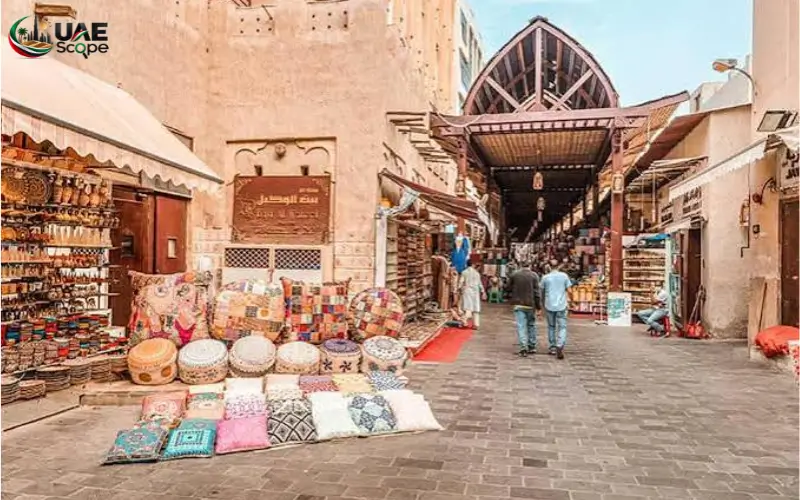
Meena Bazaar
Meena Bazaar is a busy shopping area known for clothing, jewellery, tailoring, restaurants and South Asian businesses. It is particularly popular with visitors looking for traditional clothing, fabrics and jewellery.
The streets around the market also have many restaurants and small food businesses, making it easy to combine shopping with lunch or dinner.
Textile Souk
The Textile Souk offers another traditional shopping experience near the Creek. You can browse fabrics, clothing and souvenirs while exploring the older streets of Bur Dubai.
If you plan to visit several historic places, you can include the Textile Souk in a walking route through Al Fahidi and the Creek area.
Al Seef
Al Seef sits along Dubai Creek and combines heritage-style architecture with modern restaurants, cafes and shops. It gives visitors a Creek-side setting while keeping elements of traditional Dubai design.
The area is suitable for an evening walk, dining and photographs. Visit Dubai describes Al Seef as a district that combines local culture, heritage and waterfront views.
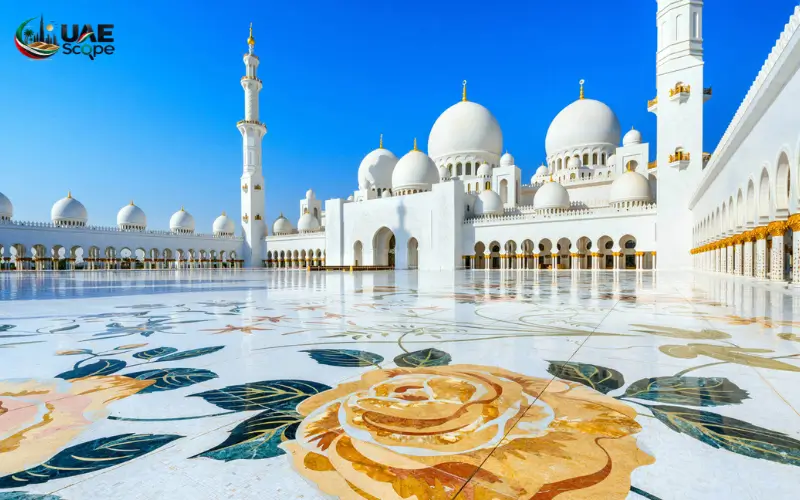
Grand Mosque Dubai
The Grand Mosque in Bur Dubai is another important landmark in the historic area. Its location near the Creek and traditional districts makes it easy to include during a heritage-focused visit.
Visitors should follow the site’s rules and dress respectfully when visiting religious places.
Things to Do in Bur Dubai
Take an Abra Ride
An abra ride across Dubai Creek is one of the simplest ways to experience Old Dubai. The traditional boats connect the two sides of the Creek and also give you a close view of the waterfront.
You can combine an abra crossing with a visit to the souks on the Deira side, creating a simple route between the two historic districts.
Explore Al Fahidi on Foot
Walking is one of the best ways to explore the historic streets. You can see traditional architecture, small courtyards, galleries, cafes and cultural spaces without rushing from one attraction to another.
Visit Dubai also recommends exploring the area on foot and lists Al Fahidi Street in Bur Dubai as a starting point for a wider heritage walk through Old Dubai.
Shop at Meena Bazaar
Spend time browsing clothing shops, jewellery stores, tailoring businesses and other small retailers around Meena Bazaar. The area also has restaurants serving Indian, Pakistani, Arabic and other cuisines.
Walk Along Dubai Creek
A Creek-side walk gives you a chance to see traditional boats and historic areas from the waterfront. Early morning and evening can feel more comfortable for walking, especially during Dubai’s hotter months.
Try Different Foods
Bur Dubai has a wide range of restaurants. You can find Indian, Pakistani, Arabic, Iranian and other South Asian cuisines alongside cafes and traditional food options.
Bur Dubai Shopping Guide
Shopping in Bur Dubai ranges from traditional markets to modern malls. Meena Bazaar and the Textile Souk are useful for visitors who want fabrics, clothing, jewellery, tailoring services and souvenirs.
BurJuman provides a modern mall experience near the area. This mix means you can explore traditional shops during the day and visit a modern shopping centre without travelling far.
| Shopping Area | What You Can Find |
| Meena Bazaar | Clothing, jewellery, tailoring and accessories |
| Textile Souk | Fabrics, traditional clothing and souvenirs |
| Bur Dubai shops | Clothing, electronics, groceries and daily items |
| BurJuman | Modern retail, dining and services |
Restaurants and Food in Bur Dubai
Food is a major part of the Bur Dubai experience. The area has restaurants and cafes serving Indian, Pakistani, Arabic, Iranian, vegetarian and other cuisines.
Meena Bazaar has a strong South Asian food presence, while Al Fahidi and Al Seef offer cafes and restaurants in more historic and waterfront settings. You can also find casual restaurants throughout Al Mankhool and nearby streets.
For visitors who want to try different dishes, Bur Dubai makes it easy to combine sightseeing with meals without travelling across the city for every stop.
Hotels in Bur Dubai
Bur Dubai has a large range of accommodation, from budget hotels and hotel apartments to mid-range and higher-end properties. The area attracts visitors who want access to Old Dubai, public transport, restaurants and shopping.
Budget Hotels
Budget accommodation is available around areas such as Al Mankhool, Meena Bazaar and nearby streets. These locations can work well for travellers who plan to use the Metro and spend much of their time exploring the city.
Mid-Range Hotels
Mid-range hotels provide another option for families, business travellers and tourists who want more room and facilities while staying close to central Dubai.
Hotels Near Dubai Creek
Hotels around the Creek can suit visitors who want quick access to historic areas and waterfront attractions. Before booking, check the exact walking distance to the nearest Metro or bus stop because Bur Dubai covers a large area.
Bur Dubai Metro and Public Transport
Public transport makes Bur Dubai easy to connect with other parts of Dubai. The area has access to Dubai Metro stations, buses, taxis and marine transport.
Metro Stations Near Bur Dubai
BurJuman and Al Fahidi are important Metro stations for different parts of Bur Dubai. Al Ghubaiba also provides access to the Green Line and the wider public transport network.
BurJuman is especially useful for changing between the Red and Green lines. RTA currently lists BurJuman and Union as the two Metro interchange stations between these lines.
Dubai Metro
The Dubai Metro Green Line serves the historic areas around Bur Dubai and Dubai Creek. The Red Line connects through BurJuman, allowing passengers to continue toward areas such as Downtown Dubai and other major destinations.
RTA’s current regular Metro station hours are 5:00 AM to midnight from Monday to Thursday, 5:00 AM to 1:00 AM the following day on Friday, 5:00 AM to midnight on Saturday, and 8:00 AM to midnight on Sunday. Holiday and special-event schedules can differ.
Nol Card
You need a Nol card or another accepted RTA travel product to use Dubai public transport. RTA calculates Metro and bus fares according to the number of zones covered during a journey.
Current RTA fare information lists standard Silver Card fares at AED 3 for one zone, AED 5 for two adjacent zones and AED 7.50 for more than two zones. Gold fares are higher, while Red Ticket fares start at AED 4 for a regular one-zone trip. Check the RTA fare page before travelling because fare products and rules can change.
Buses and Taxis
RTA buses serve Bur Dubai and connect the area with other neighbourhoods. Taxis provide a more direct option when you carry luggage, travel with family or need to reach a location away from a Metro station.
For current bus routes and journey planning, RTA recommends its Journey Planner and S’hail app.
Abra and Marine Transport
Traditional abra services provide a direct connection between the Bur Dubai and Deira sides of Dubai Creek. Other marine transport options also operate in the wider Creek area, depending on the route and service schedule.
Bur Dubai to Popular Dubai Locations
| Destination | Main Transport Option |
| Deira | Metro or Abra |
| Dubai Creek | Walk or Abra |
| Downtown Dubai | Metro via BurJuman |
| Burj Khalifa | Metro |
| Dubai Mall | Metro |
| Dubai International Airport | Metro or Taxi |
| Dubai Marina | Metro |
| Gold Souk | Metro or Abra |
Exact travel time depends on your starting point, destination, traffic and transfer. Use the current RTA journey planner before travelling.
Bur Dubai to Dubai International Airport
Bur Dubai has good transport links to Dubai International Airport. The Metro can provide a practical option for travellers staying near a station, while taxis can save time when you have heavy luggage or several passengers.
Check your terminal and the current Metro route before leaving the hotel. Airport journeys can take longer during busy periods, so allow enough time for the trip and check-in.
Bur Dubai Parking
Visitors who drive can find paid public parking and private parking at hotels, shopping centres and other properties. Parking availability depends on the exact street and destination.
If you plan to visit the historic Creek area, check parking locations before driving because narrow streets and busy market areas can make parking less convenient. RTA also changes parking rules and service hours during public holidays, so check the latest announcement for your travel date.
Best Time to Visit Bur Dubai
The cooler months provide more comfortable conditions for walking around Al Fahidi, Meena Bazaar and Dubai Creek. Morning visits work well for heritage walks, while evenings can offer a pleasant atmosphere around the Creek and Al Seef.
During summer, plan outdoor walks for early morning or later in the evening and use indoor attractions, restaurants and shopping centres during the hottest part of the day.
Bur Dubai for Tourists and Families
Bur Dubai works well for tourists who want to see a different side of Dubai. The area combines heritage attractions, shopping, food, public transport and Creek activities in one part of the city.
Families can also find restaurants, hotels, shopping centres and attractions nearby. For young children, plan shorter walking sections and use taxis or public transport between areas when the weather is hot.
Bur Dubai vs Deira
Bur Dubai and Deira sit on opposite sides of Dubai Creek and both form important parts of Old Dubai. Bur Dubai is closely associated with Al Fahidi, Meena Bazaar, Al Ghubaiba and the historic Creek districts, while Deira is known for areas such as the Gold Souk, Spice Souk and traditional trading streets.
| Feature | Bur Dubai | Deira |
| Location | Western side of Dubai Creek | Eastern side of Dubai Creek |
| Main character | Heritage, shopping and residential areas | Markets, souks and commercial areas |
| Famous places | Al Fahidi, Meena Bazaar, Al Seef | Gold Souk, Spice Souk and Deira markets |
| Creek access | Yes | Yes |
| Transport | Metro, bus, taxi and abra | Metro, bus, taxi and abra |
One-Day Bur Dubai Itinerary
Start your morning in the Al Fahidi Historical Neighbourhood and walk through its traditional streets. Continue toward the Textile Souk and Dubai Creek before stopping for lunch in Bur Dubai or Meena Bazaar.
In the afternoon, explore Meena Bazaar and nearby historic streets. Later, take an abra across the Creek and explore the Deira side before returning to Bur Dubai.
Finish the day with a walk around Al Seef and dinner near the Creek. This route lets you experience heritage, shopping, local food and traditional transport without covering too much distance.
Bur Dubai Travel Tips
- Wear comfortable shoes because several attractions work best on foot.
- Carry water when walking outdoors.
- Check RTA schedules before using the Metro, bus or marine transport.
- Keep your Nol card topped up before starting a long journey.
- Dress respectfully when visiting mosques and religious places.
- Check attraction opening hours before travelling.
- Keep valuables secure in crowded markets.
- Use a taxi when the weather makes a long walk uncomfortable.
- Visit Al Fahidi earlier in the day if you want a quieter walking experience.
- Check public holiday schedules because RTA services can change on special dates.
Must Visit: Deira Clock Tower: History, Architecture, Location, Metro Access and Things to Know
Al Karama Fish Market: Location, Timings, Fish, Shops and Buying Tips
Frequently Asked Questions About Bur Dubai
What is Bur Dubai famous for?
Bur Dubai is known for Old Dubai attractions, Dubai Creek, Al Fahidi Historical Neighbourhood, Meena Bazaar, traditional souks, restaurants and abra rides.
Where is Bur Dubai located?
Bur Dubai sits on the western side of Dubai Creek. The area includes Al Fahidi, Al Mankhool, Al Raffa, Al Ghubaiba and other nearby neighbourhoods.
Which Metro station is closest to Bur Dubai?
The most suitable station depends on your exact destination. Al Fahidi and BurJuman serve central parts of Bur Dubai, while Al Ghubaiba also provides access to the historic Creek area.
What are the best things to do in Bur Dubai?
Popular activities include exploring Al Fahidi Historical Neighbourhood, walking beside Dubai Creek, taking an abra, shopping at Meena Bazaar and visiting traditional souks.
Is Bur Dubai good for tourists?
Bur Dubai offers heritage attractions, shopping, restaurants, hotels and several public transport options. Its location also makes it convenient for exploring Dubai Creek and nearby Old Dubai districts.
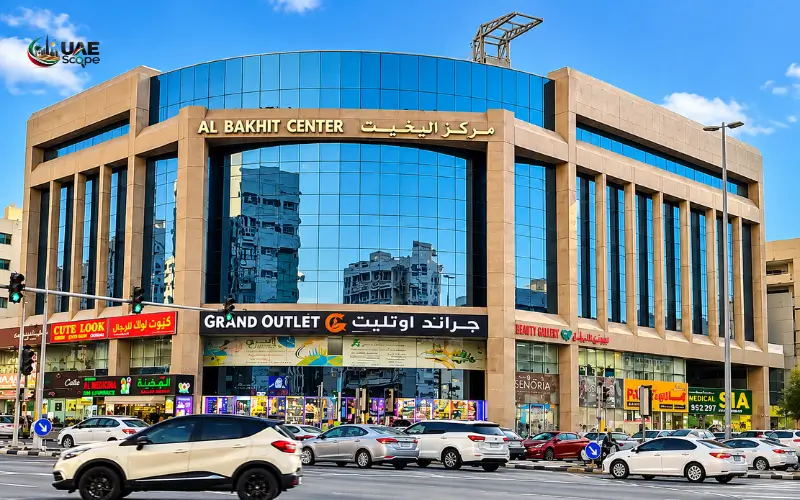
Al Bakhit Center Dubai: Address, Shops & Metro
15th Oct 2026[…] Read Also: Bur Dubai: Location, Things to Do, Attractions, Hotels and Travel Guide […]